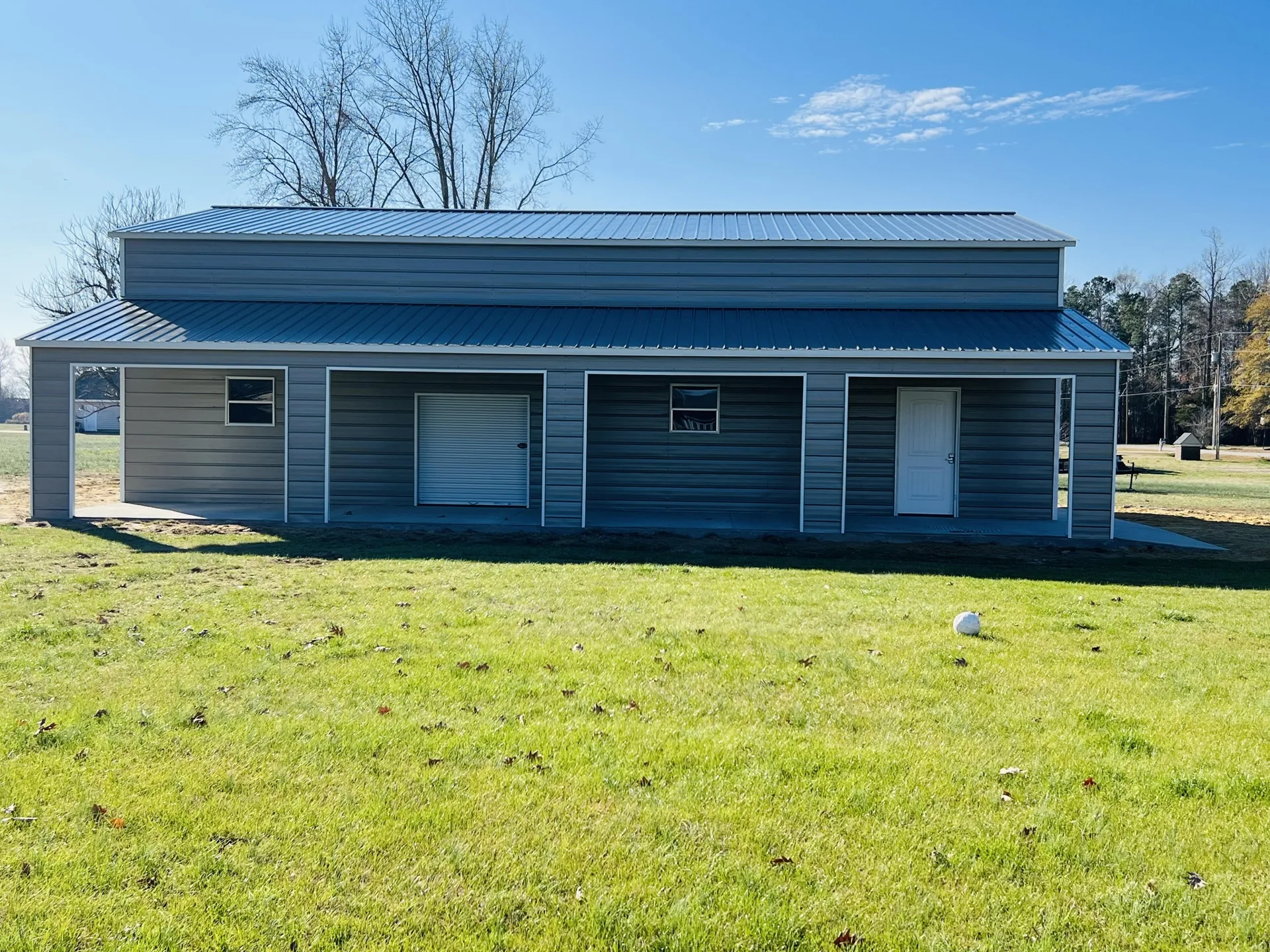
Making a metal roof look residential
Three things do most of the work. First, cut-to-length panels so no horizontal lap line runs across a visible elevation — on a house that seam is the giveaway. Second, colour: darker, muted tones read as architectural where bright galvalume reads agricultural. Third, trim detail — proper rake and eave trim, and matched fasteners, rather than whatever was in the truck. None of it costs much; all of it is decided at order.
The three questions every homeowner asks
Noise: far quieter than expected over a decked and insulated roof — the myth comes from bare panels over open purlins. Lightning: metal does not attract it, and being non-combustible is arguably safer if struck. Resale: generally viewed favourably for remaining service life, though recovery varies by market and by what is normal in your neighbourhood. A local appraiser beats any national figure.
Over shingles, or tear off
Recovering over existing shingles saves tear-off labour and disposal, and is common. It needs a sound deck, longer fasteners reaching solid framing, and a check that you are within your jurisdiction's layer limit. Steel follows whatever plane it is fixed to — a wavy deck will telegraph through. If the decking is soft anywhere, tear off rather than covering the problem.
Insulation and condensation on a house
On a properly insulated and ventilated residential roof assembly, condensation is generally a non-issue — the deck and insulation handle it. The problems arise on unheated attached structures like porches, carports and garages, where a bare panel over open framing will sweat and drip. If your project includes one of those, plan for a vapour barrier there even if the house itself does not need one.