How the two systems differ
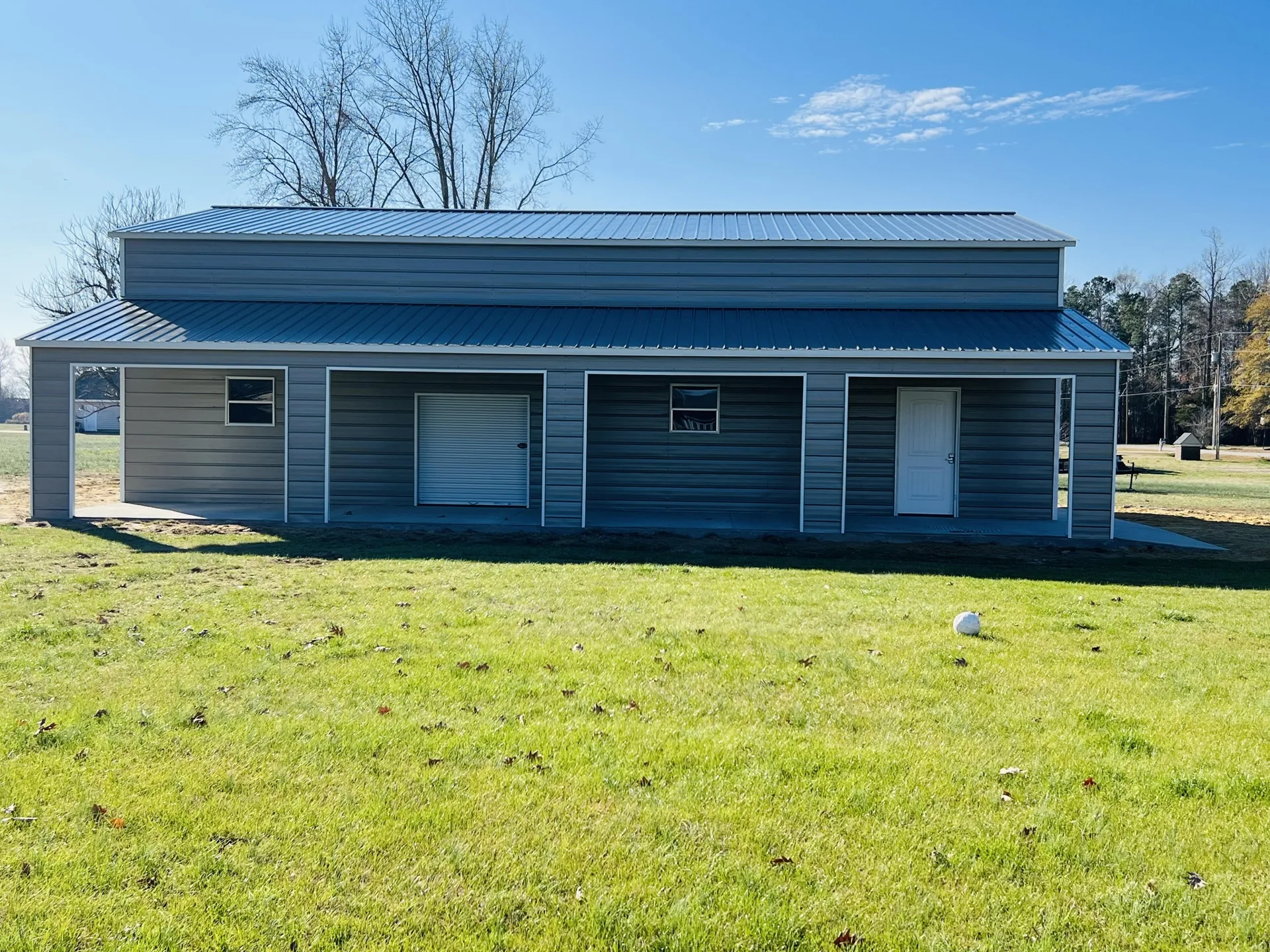
An exposed-fastener panel — the ribbed roofing on most barns and a great many houses — is screwed through the face of the steel, with a rubber washer sealing each hole. A standing seam panel is clipped to the deck and the adjacent panel locks over the clip, so the fasteners sit under the seam and nothing pierces the surface. That single difference drives almost everything else about the comparison.
Why exposed fasteners eventually leak
Every screw is a hole through your roof kept dry by a rubber washer. Washers perish under UV, panels expand and contract daily and slowly work screws loose, and after fifteen or twenty years a proportion of them need re-torquing or replacing. That is a normal maintenance item, not a defect — but it is real, and on a large or steep roof it is a real cost. Standing seam does not have that maintenance item at all.
When standing seam is worth it — and when it is not
Worth it: residential roofs where appearance matters, low-slope roofs where water sits longer, roofs that are difficult or expensive to access for maintenance, and buildings you intend to hold for decades. Not worth it: agricultural buildings, pole barns, workshops and most outbuildings, where exposed-fastener panels perform perfectly well for a fraction of the price. We would rather sell you the cheaper system for a barn than have you overspend on principle.
What we supply
We roll-form exposed-fastener panels — that is our product line, and it is what the large majority of our customers need. If standing seam is genuinely the right answer for your project, say so and we will tell you honestly rather than steering you to what we make. Knowing which system your roof wants is worth more to you than any single supplier relationship.