What does a kit price leave out?
A kit quote covers steel: framing, panels, trim, fasteners and usually the doors. It generally does not cover freight, which for a building's worth of steel means a flatbed and someone to unload it. It does not cover the ladder, scaffold or lift needed to set roof panels on a 12-foot leg building, the impact drivers, metal shears and rivet tools, or the anchors specified for your foundation. It does not cover the two or three capable helpers you need on install days, or the risk that a panel bends in the wind before it is screwed down. Most importantly, it does not cover mistakes: a panel run out of square at the first bay is a problem at every bay after it. Write each of these on the kit quote as a line with a real number before you compare it to anything.
What does an installed price include?
An installed quote from a manufacturer that builds covers the steel, the truck, the labor and the know-how to stand the building up straight, anchored and trimmed in a matter of days. METCO manufactures its panels in Farmville, North Carolina, then delivers and installs the building with no separate builder, and delivery and installation are free within 100 miles of any of its 28 lots. Certified engineered drawings are provided where the county requires them, and you are told before purchase whether your site needs certification. What an installed shell does not include is the same as a kit: a slab or footings, electrical, plumbing and interior finish, which are done by your own trades. When you compare kit and installed, compare shell to shell and keep the finish-out on a separate sheet for both.
When is a kit actually the better choice?
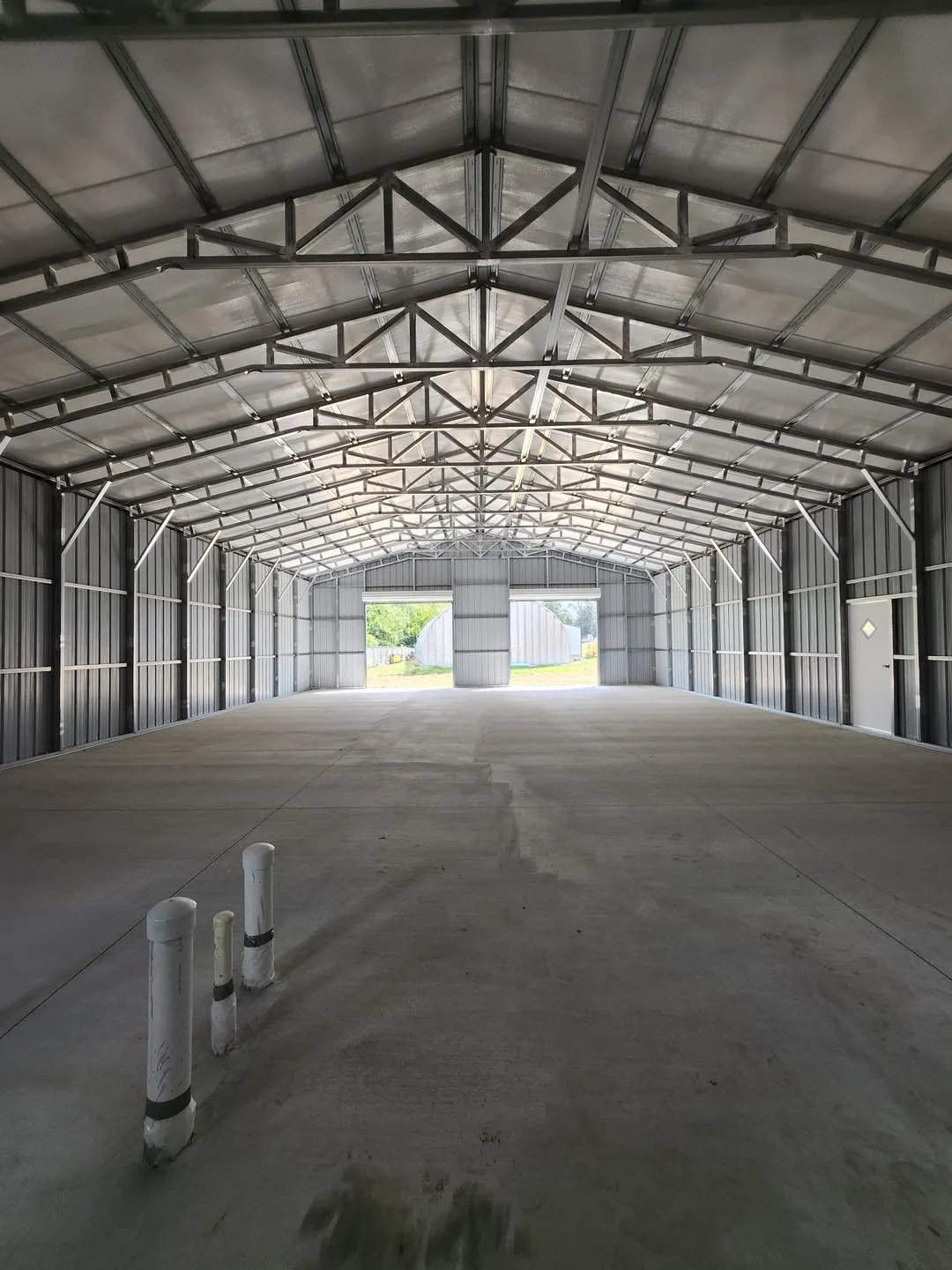
A kit is worth considering when the building is small and open, when you already own the tools and have helpers who have done it before, when the site is too remote or too tight for a delivery crew, or when the supplier you prefer only sells kits. Open carports with low legs are the most forgiving; there are no wall panels to fight in the wind and no door openings to square. The case weakens fast as the building grows. Enclosed walls, roll-up doors, vertical roofs and taller legs each add hours and precision, and an inspected building means your anchoring and bracing must match stamped drawings exactly. A kit also puts the schedule on you: a building that is half up when the weather turns is exposed, and a crew that installs in days is not. Be honest about your skills and your calendar.
How do you compare the two quotes fairly?
Use one specification for both: same width, length, leg height, roof style, panel gauge, framing gauge, doors, windows, colors and certification level. On the kit side add freight to your address, unloading, tools you do not own, rental of any lift, anchors, helpers, and a realistic allowance for damaged material and a second trip for missing parts. On the installed side confirm that delivery and installation are included and whether there is a mileage charge beyond the free radius. Then look at what is not on either quote: site prep, a slab or gravel pad, permit fees, and the interior work. Ask each seller how the price was set and how long it holds, because steel pricing moves; METCO quotes from current steel pricing, typically within 24 hours. The comparison is finished when both columns end at the same standing, anchored, trimmed building.