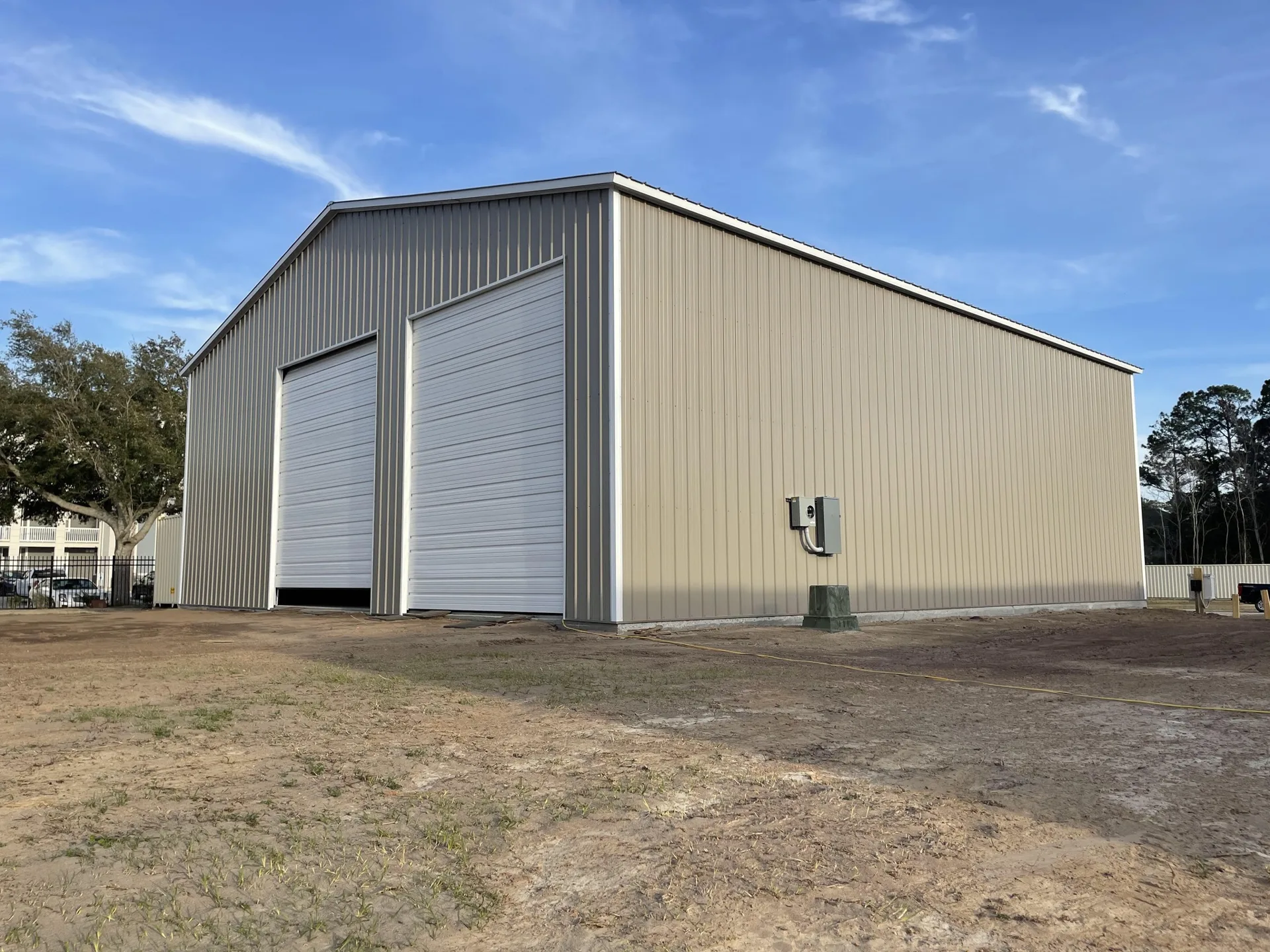
What is the difference between a manufacturer and a dealer?
A manufacturer roll-forms panels and fabricates framing at its own plant and sells the result, often through its own lots; a dealer sells buildings made by someone else and arranges a third-party installer. Both can deliver a good building, but the chain of responsibility differs. With a manufacturer that installs its own product, one company is accountable for the steel, the delivery and the crew. METCO is set up that way: panels are roll-formed from raw coil at 188 US 264 Alt in Farmville, North Carolina, sold through 28 lots across North Carolina, Upstate South Carolina and Southwest Virginia, and delivered and installed by METCO with no separate builder required. When you compare companies, ask each one plainly: who made this steel, who will install it, and who do I call if something is wrong after the crew leaves? Write the three answers on the quote.
Which specifications actually move the price?
Size is the obvious driver, but several less visible items change a quote by a wide margin. Framing gauge matters: 14-gauge is the common standard, and 12-gauge is thicker steel usually chosen for wide spans, hurricane counties and mountain snow load. Panel gauge should be stated; 29-gauge is standard for this class of building. Roof style moves the price because a vertical roof uses more framing and trim than a regular one. Each roll-up door, walk door and window adds framing and hardware. Certified engineered drawings add engineering cost where the county requires them. Leg height, wainscot, extra bracing and color choices all appear as line items. Then come the items outside the shell: site prep, slab or footings, permits and the entire interior finish. A quote that looks low is often one that left several of these off. Ask for each to be listed, even at zero.
How do you put two quotes on the same footing?
Build a one-page specification and hand the same sheet to every seller: width, length, leg height, roof style, panel gauge, framing gauge, number and size of each door and window with wall position, colors by surface, wainscot yes or no, certification yes or no with the wind speed and snow load your county gave you, anchoring surface, and the delivery address. Ask each company to quote exactly that and to state whether delivery and installation are included, what the mileage limit is, how the quote is priced and how long it is valid. METCO quotes from current steel pricing, typically within 24 hours, with free delivery and installation within 100 miles of any lot. When the quotes come back, correct any that deviate from the sheet before comparing, and put the exclusions side by side. Only then does the difference in totals tell you anything.
What questions separate a good quote from a vague one?
Ask where the panels are made and in what gauge. Ask whether the framing is galvanized and what gauge. Ask whether the price includes delivery and installation and whether there is a charge beyond a set distance. Ask whether certified engineered drawings are included, and whether the company will tell you before purchase if your site needs them; METCO does. Ask what the deposit is, when the balance is due and what the cancellation terms are. Ask what the installed building will and will not include, and get the exclusions in writing. Ask how long the quote is valid, since steel pricing moves. Ask whether rent-to-own or other payment arrangements are available and on which buildings. Finally, ask for the address of a nearby completed building you can drive past; a manufacturer with 28 lots and years of installs will have one. Vague answers to clear questions are the signal to keep looking.