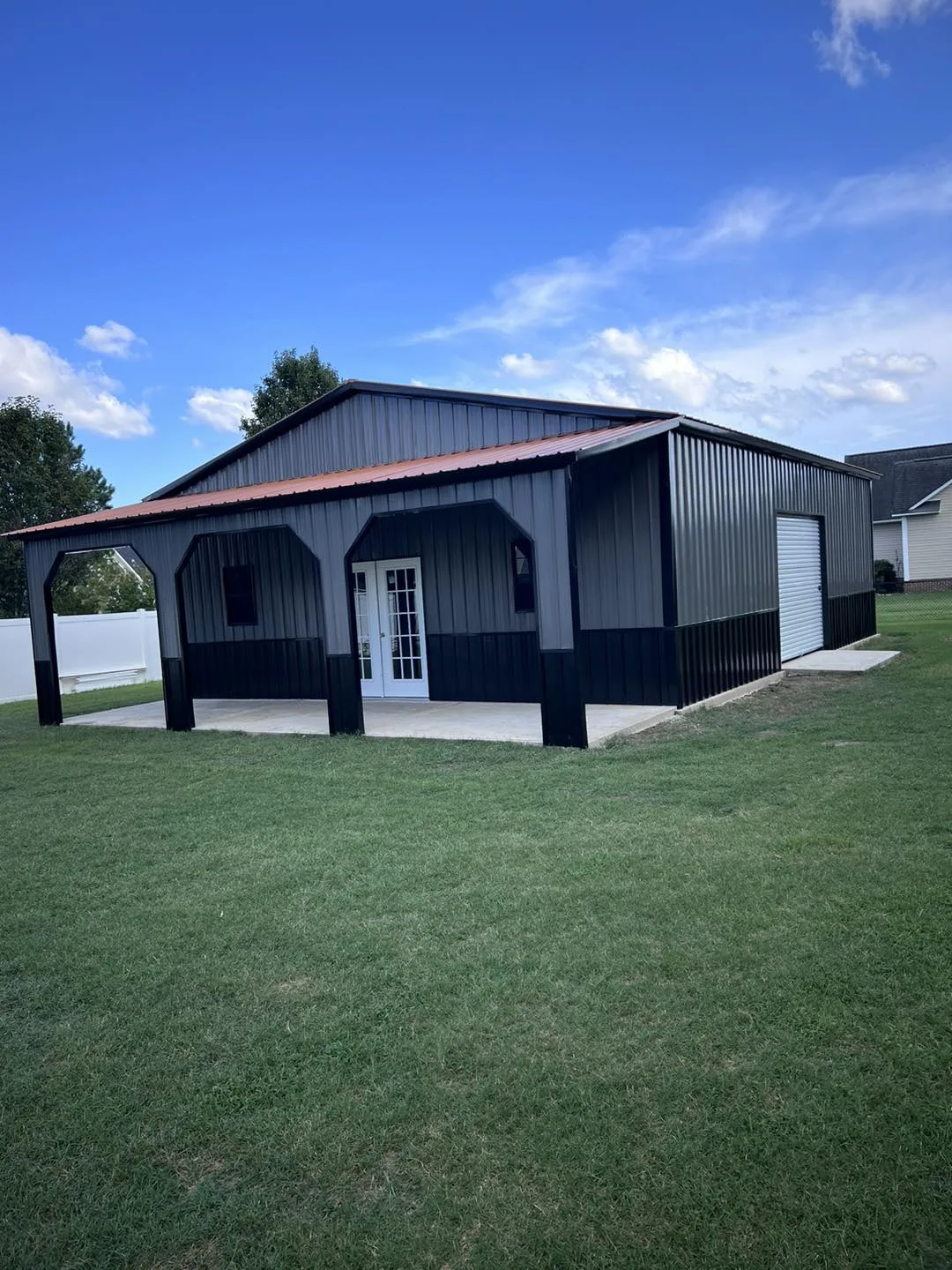
What do you need to confirm with the county before touching the ground?
Start with setbacks: the minimum distance a structure must sit from property lines, the road, easements, wells, and septic components. These vary by county and sometimes by zoning district, and a building placed inside a setback can be ordered moved. Ask the planning or inspections office whether the size and use of your building requires a permit, and whether certified engineered drawings are needed; METCO tells you before purchase whether your site needs certification, but the county has the final say. If you belong to a homeowners association, check its covenants for material, color, and placement rules that can be stricter than the county's. Locate any recorded easements, since a utility or drainage easement may prohibit building over it even on your own land. Get answers in writing where you can.
How should the pad be cleared, graded, and drained?
Call the utility locating service before any digging so buried power, gas, water, and communication lines are marked. Clear the footprint plus working room on every side for the crew, and remove limbs over the roofline that would interfere with installation or drop debris later. The pad must be level; a building set on a sloped or uneven base will not square up, doors will bind, and panels will not seal. On Piedmont clay, which swells when wet and shrinks when dry, compacted gravel under the foundation and positive drainage away from the pad prevent movement. Grade so water runs away from the building on all sides, and think about where roof runoff will go once a large roof is concentrating it. In sandy coastal soils, compaction and drainage are still needed even though water disappears faster.
Which foundation does a metal building need?
The foundation depends on the building's use, the anchoring the manufacturer specifies, and what the county will inspect. A concrete slab is the usual choice for a garage, shop, or any building that will be finished inside, and it needs to be poured to the correct dimensions, level, and cured before installation. Carports and some storage buildings can be anchored to asphalt or to bare ground with the appropriate anchor type, but the surface still has to be level and compacted. If the building will have plumbing, drain lines and sleeves go under the slab before the pour. If it will be finished inside, the slab may need footings and thicker sections under load-bearing points. Ask the manufacturer for the exact slab dimensions and anchor specification before the concrete contractor starts.
Can the delivery truck and crew reach your site?
A steel building arrives on a truck carrying long framing and panel bundles, and the crew needs room to unload and work. Walk the route from the road to the pad and look for tight turns, low branches, soft ground, narrow gates, and overhead wires. A driveway that a pickup uses daily may not handle a loaded truck and trailer, especially after rain on clay. If the pad is far from the road, decide where material will be staged. Confirm that the site has clear space around the entire footprint for the crew to set legs, raise trusses, and screw panels. METCO Metal Building Supply delivers and installs the building, and there is no delivery or installation charge if the site lies within 100 miles of one of the 28 METCO lots; tell the sales lot about access constraints when you order so the delivery is planned around them.
What is the order of work from purchase to installation?
Confirm setbacks, permits, and covenants first, since they can change where the building goes. Have utilities marked, then clear and grade the pad with drainage in mind. Get the foundation specification from the manufacturer and pour or prepare the base, including under-slab plumbing and conduit if the building will have utilities. Let concrete cure. Walk the delivery route and clear obstructions. Schedule the installation only when the pad is finished and inspected where required. Once the shell is up, which is usually a matter of days, the customer's own trades handle electrical, plumbing, insulation, and interior finish, which is what takes the longest. Quotes from METCO reflect current steel pricing, typically within 24 hours; call (252) 375-3651 or visit any of the lots listed at /locations/, open Monday through Saturday, 9am to 5pm.