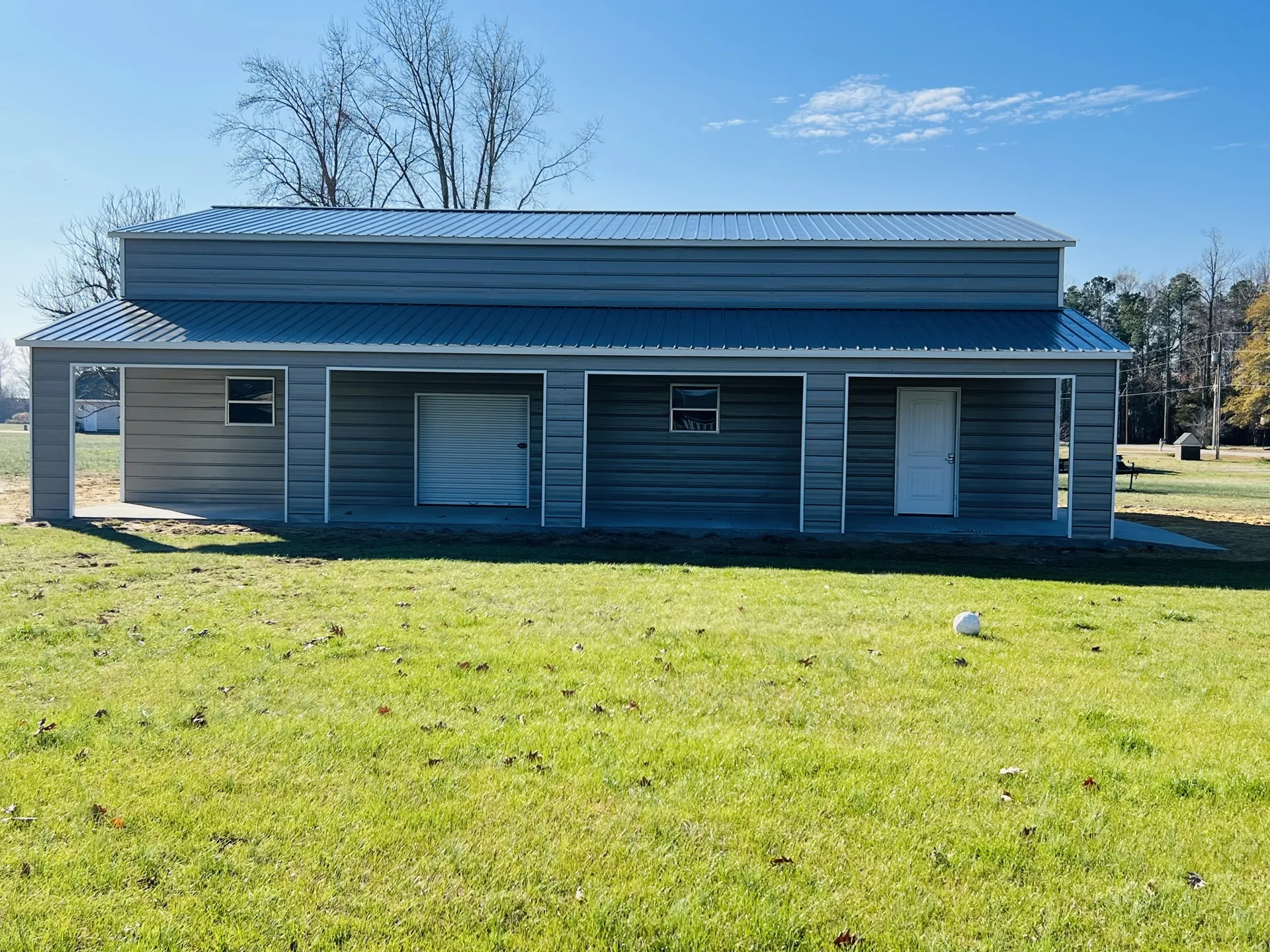
What does a panel finish warranty cover on metal roofing and siding?
The finish warranty covers the paint system on the roofing and siding panels, and it is normally issued by the coil coater or coating supplier rather than the building seller. Coverage typically addresses three failure modes: film integrity, meaning the paint does not crack, peel, or flake; chalking, the powdery surface that forms as the coating weathers; and fade, the loss of color measured against the original. Terms and lengths vary by coating type, so ask which paint system is on the coil and request that supplier's published warranty document. Read the exclusions carefully. Many finish warranties reduce or exclude coverage within a stated distance of salt water, which matters on the North Carolina and South Carolina coast, and most exclude damage from harsh cleaners, abrasion, or contact with dissimilar metals.
What should a structural or framing warranty say?
The structural warranty covers the steel framing against manufacturing defects: tubing that fails, welds that separate, or galvanizing that flakes under normal conditions. It usually comes from the manufacturer of the building rather than the installer. Look for the length of coverage, whether it transfers to a future owner, and what it does not cover. Common exclusions include damage from weather that exceeds the building's rated loads, alterations after installation, foundation movement, and corrosion caused by contact with wet concrete, chemicals, or fertilizer stored inside. If the building is certified with engineered drawings for your county's wind and snow load, keep those drawings with the warranty because a claim may hinge on whether the storm exceeded the rated design. Ask whether the warranty requires periodic inspection or maintenance to stay valid.
Who covers the installation workmanship?
A workmanship warranty covers the labor: anchors set correctly, panels lapped and screwed properly, trim sealed, and doors hung square. It comes from whoever installed the building, which is where the buying model matters. When one company manufactures, delivers, and installs, there is a single party responsible for both the product and the labor. When a dealer sells the kit and a separate crew erects it, a leak may become a question of whether the panel or the screw pattern is at fault, with each side pointing at the other. METCO Metal Building Supply roll-forms its 29-gauge panels at its plant in Farmville, NC and frames its buildings in galvanized steel and installs them, so ask the sales lot for the written terms covering both the materials and the installation on your specific building. Get the terms before purchase, not after.
What commonly voids a metal building warranty?
Most voided claims trace back to a handful of causes that are avoidable. Improper anchoring is one: a building set on a base the manufacturer did not approve, or anchored with fewer or shorter anchors than specified, can lose structural coverage. Modifications are another, such as cutting openings for windows or doors without added framing, or hanging heavy loads like lifts and hoists from trusses not designed for them. Chemical exposure matters too; storing fertilizer, pool chemicals, or salt against bare framing accelerates corrosion, and the warranty will usually say so. On the finish side, pressure-washing with harsh detergents, walking on panels, or letting leaves and pine needles sit in valleys can trigger exclusions. Read the maintenance section of each warranty and follow it, keeping simple records of when you cleaned and inspected.
What should you ask for in writing before buying?
Ask the seller to hand you every warranty document that will apply, not a summary. For the panels, ask which coating system is used and for the coater's published warranty, then check its coastal and maintenance exclusions against your site. For the framing, ask who issues the structural warranty, how long it runs, whether it transfers, and whether certification for wind and snow load changes anything. For installation, ask who is responsible for workmanship and how a leak or loose panel is reported and fixed. Ask whether the warranty is registered automatically or whether you must file paperwork after installation. Ask what maintenance is required to keep coverage valid. Finally, confirm the contract lists the exact building configuration, because a warranty claim is measured against what was sold, so an unrecorded upgrade or change can complicate it.